How to Prepare Your Home for Pest Control Services in Warren County
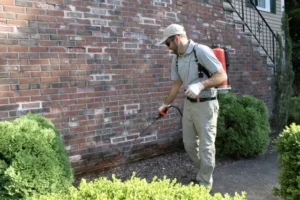
When a pest problem reaches the point where you need professional help, the treatment itself is only part of the job. What happens before the technician arrives often determines how effective that visit will be. I have seen homes where a well-timed, carefully prepared service solved a long-running issue in a single cycle. I have also seen cases where clutter, missed instructions, or unrealistic expectations turned a straightforward treatment into weeks of back and forth.
If you are scheduling Pest Control Services Warren County homeowners commonly rely on, it helps to understand what the technician needs from your space. Good preparation protects your belongings, improves access to problem areas, and reduces the chances that pests simply shift from one room to another. It also makes follow-up much easier.
Warren County homes present a mix of conditions that matter in pest control. Some properties are older and have crawl spaces, stone foundations, aging trim, or small gaps around utility lines. Others are newer builds with tighter envelopes but still deal with seasonal ant pressure, mice seeking warmth, stinging insects around eaves, or moisture-loving pests near finished basements. Apartments, condos, single-family homes, and rural properties each bring their own challenges. The prep work should match the kind of service being performed and the layout of your home.
Start by asking what kind of treatment is planned
Many homeowners make the same mistake at the beginning. They assume all pest control visits are roughly the same. They are not.
A service for ants in the kitchen is different from a mouse treatment in the basement. A one-time yellowjacket nest removal is different from a recurring general pest service. Bed bug work, flea work, roach treatments, termite inspections, and exterior perimeter treatments each come with their own prep requirements. The best first step is not moving furniture or buying storage bins. It is asking the company what the technician will actually be doing.
When you call, ask whether the treatment is primarily interior, exterior, or both. Ask whether products will be applied as crack-and-crevice treatments, bait placements, dusts, liquid spot treatments, or perimeter sprays. You do not need to become a pest control specialist overnight, but you do need to know whether the visit requires access behind appliances, under sinks, into the attic, or around the home’s foundation.
This matters because preparation should be targeted. Pulling every piece of furniture away from the walls for a routine exterior ant treatment wastes your time. On the other hand, leaving a crowded utility room untouched before a rodent inspection can make it impossible for the technician to identify entry points or place devices where they will work.
Match your preparation to the pest, not just the appointment
Pests behave differently, and your prep should reflect that.
For ants, the biggest issue is often competing food sources. If crumbs, sticky spills, and open pantry items remain available, baiting becomes less effective. Ants are less likely to engage with a professional bait if they already have easy access to grease under the toaster or sugar residue beside the coffee maker. In that case, cleaning is not just tidying up. It is part of the treatment strategy.
For roaches, access is everything. Kitchens and bathrooms tend to have narrow treatment zones around plumbing penetrations, cabinet voids, refrigerator motors, and dishwasher lines. A technician who cannot reach those areas is limited to less precise work. Roach jobs, especially in multi-unit housing, often succeed or fail based on how well residents open access to those hidden spaces.
For mice, technicians usually need to inspect the basement, garage, attic access, utility penetrations, and storage areas. A neat room is nice, but what they really need is visibility. If every wall is lined floor-to-ceiling with boxes, the likely entry points stay hidden. Mice can use an opening no wider than a dime in some cases, and those openings are easy to miss if the perimeter is blocked.
For fleas, vacuuming and pet management become central. For bed bugs, laundering, decluttering, and room-by-room discipline matter more than broad cleaning. For wasps or hornets, outdoor access and safety around the nest matter most. The prep is never one-size-fits-all.
Clean enough to support treatment, but do not overdo it
Homeowners sometimes swing too far in one direction. They either do very little, or they deep-clean so aggressively that they remove evidence the technician needed to see.
There is a middle ground.
A reasonable level of cleaning helps. Wipe down counters, sweep floors, remove trash, and store food properly. Clear sinks of dirty dishes. Tidy up pet feeding areas. In bathrooms and laundry rooms, remove standing water if possible and clear spills around detergents or toiletries. These simple steps reduce attractants and make treated areas easier to monitor afterward.
At the same time, do not scrub away every sign of affordablepestnj.com Pest Control Services Warren County activity right before the appointment if the company has not yet inspected. If you have noticed rodent droppings under the sink, ant trails along a baseboard, or insect activity around a windowsill, those signs help the technician confirm movement patterns and focus treatment. I have seen people bleach every surface right before a visit, then struggle to explain where the problem was happening. Clean for sanitation, yes, but leave enough context for diagnosis.
If the company gives specific instructions about vacuuming before or after treatment, follow those closely. In some situations, such as flea treatments, pre-visit vacuuming is part of the plan. In others, vacuuming too soon afterward can reduce the benefit of dusts or baits placed in cracks and voids.
Clear access where it counts
You do not need a showroom-ready house, but the technician should be able to reach the problem areas without climbing over storage bins, laundry baskets, or stacked boxes.
The most common trouble spots are under kitchen and bathroom sinks, behind stoves and refrigerators, around water heaters, near sump pumps, along basement walls, around attic hatches, and near garage corners. If you know the issue is concentrated in a certain room, create working space there first. A couple of feet of access can make a major difference.
In older Warren County homes, basements and crawl-adjacent spaces often collect years of stored belongings. That is understandable. These areas become catch-alls for holiday decorations, old paint cans, unused shelving, sports equipment, and bulk paper goods. Unfortunately, they also create ideal harborage for pests and make inspections more difficult. If your service call involves rodents, silverfish, spiders, or moisture-related pests, focus your prep there.
A simple rule works well. If a technician cannot see the base of the wall, the corner, or the plumbing line, that area is not truly accessible. You do not need perfection. You need workable visibility.
Protect food, dishes, and small children’s items
Professional products are designed to be used carefully and according to label directions, but that does not mean you should leave everything exposed. A little preparation keeps the process cleaner and more comfortable for everyone in the house.
Store food in cabinets, the refrigerator, or sealed containers. Put away fruit bowls, bread, pet treats, and anything else usually left out on the counter. If dishes are drying on a rack, put them away or move them before the appointment. Baby bottles, pacifiers, toddler cups, and similar items should be stored as well. If the kitchen is the treatment area, clear what you reasonably can.
You usually do not need to bag every plate in the house for a standard service, and doing so can create unnecessary stress. But it is good practice to remove or cover items that are directly adjacent to likely treatment zones. If you are unsure, ask the company what surfaces they expect to treat and whether cabinet interiors are involved.
Plan for pets before the day of service
Pets complicate pest control more than many people expect. Dogs bark at technicians, cats slip through open doors, birds are sensitive to environmental changes, and reptile enclosures may need extra consideration depending on the treatment area.
Before the appointment, decide where your pets will be during and immediately after service. For many homes, the easiest option is to keep them in a room that is not being treated and then rotate access once products are dry or the technician says reentry is fine. For highly anxious dogs or homes receiving more extensive interior work, arranging a walk or a few hours out of the house may be worth it.
Pet bowls, food mats, litter boxes, cages near treatment areas, and pet bedding should be moved if instructed. Fish tanks deserve special attention. If you have an aquarium near a treatment zone, mention it when booking the appointment. The technician may ask that pumps be turned off temporarily or that the tank be covered during treatment, depending on the product and application area.
I once saw a straightforward ant service delayed because a very determined indoor cat had learned how to nudge open a basement door. The homeowner had done every other step right, but we spent the first fifteen minutes making the space secure enough to work safely. These little details matter.
Know what to do with linens, toys, and personal items
This is where homeowners often overprepare from worry. In most general pest services, you do not need to remove every textile item from the house. You do, however, want to move personal items away from direct treatment zones.
If baseboards in a bedroom or living room will be treated, pick up toys, shoes, baskets, floor pillows, and loose fabrics along the perimeter. If closet floors or storage corners are involved, clear those edges too. In bathrooms, move toothbrushes and cosmetics away from sink bases if that area will be serviced. In laundry rooms, shift piles of clothing off the floor and away from wall junctions.
For specialty services like bed bugs or fleas, the instructions are usually more extensive and much more specific. Follow those exactly. That may include laundering on high heat, bagging cleaned items, reducing clutter around sleeping areas, and treating every affected room in a coordinated way. This is one area where improvising tends to create more work, not less.
Outdoor preparation matters more than many people realize
A large portion of effective pest work happens outside. Many pest issues that show up in the kitchen or basement begin around the foundation, mulch beds, soffits, gutters, or utility penetrations. If the technician is providing exterior treatment, your yard and entry areas need basic preparation too.
Trim vegetation that presses against the house. Shrubs touching siding create bridges for ants and other pests, and they make it harder to treat the exterior wall line properly. Move firewood away from the foundation if possible. Pick up pet waste and children’s toys from the yard. Unlock gates. Clear a path to crawl space doors, sheds, deck stairs, and electrical or HVAC areas if they are part of the inspection.
Drainage also deserves attention. Standing water in planters, clogged gutters, low spots near downspouts, and soggy areas around air conditioning units can support a range of pest problems. A technician may still be able to treat around those areas, but if moisture conditions remain unchanged, the relief may be temporary.
This is especially relevant after stretches of wet weather, which can drive insects indoors or increase mosquito activity outdoors. Seasonal shifts in Warren County can be abrupt enough that one week you are dealing with overwintering pests waking up inside, and the next you are seeing exterior nesting activity ramp up.
A short prep checklist that prevents most delays
Use this as a practical reset the day before your appointment.
- Confirm the service type and ask whether any special preparation is required.
- Clear access to sinks, appliances, basement walls, utility areas, and any known problem spots.
- Put away exposed food, dishes, pet bowls, and children’s items near treatment zones.
- Make a plan for pets and let the company know about aquariums, birds, or sensitive enclosures.
- Write down where you have seen activity so you can show the technician quickly.
That last point is easy to overlook. If you have been spotting ants only between 6 p.m. And 8 p.m., mention that. If you hear scratching in one corner of the attic after heavy rain, mention that too. Patterns save time.
Be honest about what you have already tried
Technicians appreciate direct information, especially when a homeowner has already done some DIY work. There is no shame in trying traps, sprays, ultrasonic devices, peppermint oil, hardware-store bait stations, or online advice before calling a professional. Most people do.
What matters is telling the truth about it.
If you sprayed a repellent around the kitchen the night before, the technician needs to know. If you set snap traps in the basement and caught two mice near the freezer, say so. If you sealed a hole with spray foam last month and the problem shifted upstairs, that is useful information. Certain products can interfere with bait acceptance or alter pest movement. Some partial repairs can help, while others simply redirect activity and make diagnosis more complex.
I have seen homeowners apologize for using store-bought foggers or random outdoor sprays indoors. The better approach is just transparency. The technician’s job is not to judge your first attempt. It is to build a strategy that works from where things stand now.
Understand what preparation will not fix
Preparation improves results, but it does not replace structural correction. If pests are entering through uncapped vents, rotted door sweeps, missing mortar, torn screens, or utility gaps, no amount of pre-visit cleaning will solve the problem by itself.
This is one of the most important trade-offs in pest control. Treatment can reduce active populations, sometimes very quickly. Exclusion and repair determine whether the issue stays resolved. In homes with recurring mice, for example, the treatment and the sealing work need to support each other. In homes with moisture-loving pests, drainage and humidity control often matter as much as product choice.
That does not mean you need to fix everything before calling for service. Quite the opposite. It often makes sense to have the technician identify likely entry points first, then decide which repairs to prioritize. But go into the visit knowing that preparation is support work, not a substitute for correction.
Day-of-appointment habits that help the visit go smoothly
Try to be available, at least at the start of the appointment. A five-minute walkthrough can save a great deal of confusion. Show the technician where you have seen activity, mention any children or pets in the home, and point out spaces that are difficult to access. If there are rooms you rarely use, open them up. If a basement light is unreliable or a gate sticks, say so upfront.
If the company provides a service window rather than an exact time, finish prep early. Rushing to unload the under-sink cabinet while the technician waits at the door wastes paid time and shortens the time available for actual inspection and treatment.
It also helps to keep expectations realistic. Not every service produces instant visible results the same day. Some treatments rely on bait transfer, insect growth interruption, or changes in pest movement over several days or weeks. Ask what you should expect, what normal activity looks like after treatment, and when to call if things do not improve.
What to do after the treatment
The minutes and days after service matter almost as much as the preparation before it. Follow the instructions you are given, even if they seem minor. Reentry times, cleaning restrictions, bait placement precautions, and follow-up scheduling are there for a reason.
A few habits make a noticeable difference:
- Wait the recommended time before mopping, wiping treated areas, or letting pets back into restricted spaces.
- Leave baits, traps, and monitors where they were placed unless the company tells you otherwise.
- Keep reducing food, water, and clutter sources that compete with the treatment.
- Track what you still see, including where, when, and how often.
- Schedule recommended follow-up visits instead of assuming one visit solves every infestation.
That third point deserves emphasis. Treatments work best when the environment stops helping the pest. If a leaking pipe continues to saturate a cabinet base or if birdseed keeps spilling in the garage, the treatment has to fight against a steady source of support.
Special cases in older homes, rentals, and busy households
Older homes often require more patience because the conditions are layered. You may have settled cracks, old insulation, redundant wall voids, and decades of repairs done by different owners. In those properties, it is common for technicians to find several contributing factors rather than one obvious cause. Preparation should focus on access and information, not trying to conceal the age of the structure.
Rentals add another layer. If you are a tenant, review what your lease says about pest treatment access and preparation responsibilities. In multi-unit buildings, your success may depend partly on neighboring conditions, especially with roaches, bed bugs, and shared-wall ant problems. Document what you were asked to do and communicate clearly with property management if entry to adjacent units affects the plan.
Busy households with children, shift workers, or elderly family members may need a more flexible setup. That is normal. The key is communication. Most reputable providers can tell you which prep steps are essential, which are preferred, and how to adapt if someone in the home has mobility limits or health concerns. It is far better to say, "I can clear the kitchen and bath completely, but the basement will need partial assistance," than to promise perfect preparation and fall short.
The goal is not perfection, it is effectiveness
The best-prepared homes are not always the cleanest or the most organized. They are the homes where the owner or tenant understood the goal of the visit and made it easier for the technician to do precise work.
That means accessible problem areas, fewer competing food and water sources, secure pets, protected personal items, and clear communication about what has been happening. When those pieces are in place, Pest Control Services Warren County residents schedule tend to be more efficient and more successful. The technician can spend less time moving obstacles and more time inspecting, treating, and explaining next steps.
If you are unsure how much to prepare, ask direct questions before the appointment. A good company will tell you exactly what matters for your situation and what does not. That simple conversation can be the difference between a routine service call and a frustrating repeat problem.
Affordable Pest Solutions LLC
Budd Lake, NJ 07828 (service-area business)
Serving Warren, Morris and Sussex Counties, New Jersey
Phone: +1 973-229-9547
FAQ About Pest Control Services Warren County
How much does pest control cost in NJ?
The cost depends on the pest, the size of the property, the extent of activity and whether follow-up visits are needed. Ask for an inspection and a written estimate that explains the treatment scope and any ongoing service charges. Affordable Pest Solutions offers free estimates for properties in its service area.
What are the most common household bugs in New Jersey?
Ants, cockroaches, stink bugs and spiders are among the pests that residents may encounter in New Jersey homes. Activity varies by season, moisture conditions and available entry points. Correct identification helps determine whether exclusion, sanitation, monitoring or professional treatment is appropriate.
What kind of bugs infest homes?
Ants, cockroaches and termites can establish persistent activity in or around homes. The signs and appropriate response differ by pest: trails, droppings, shed wings or damaged wood may warrant closer inspection. A pest professional can identify the cause and recommend a plan suited to the property.